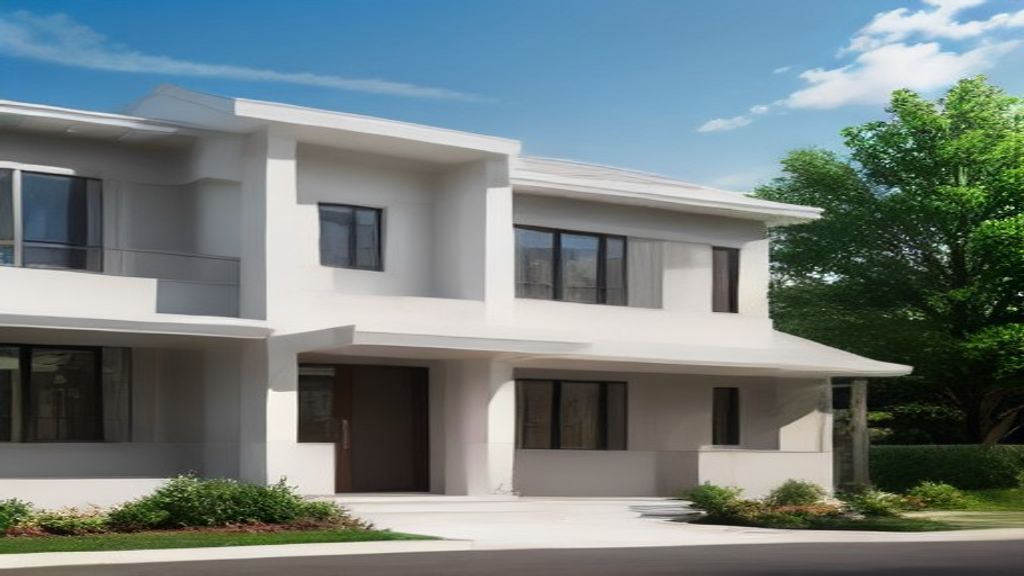
Why the Fresh‑Build Market Deserves Your Attention
You’ve probably walked past a brand‑new subdivision and felt the tug of curiosity – the crisp paint, the untouched landscaping, the promise that everything is “up to code.” That feeling isn’t just aesthetics; it’s a tangible advantage. New homes often come with modern layouts, energy‑efficient systems, and warranties that resale properties simply can’t match. For a buyer who values long‑term savings and peace of mind, the hidden perks of newly built houses can outweigh the allure of a lower‑priced resale.
1. Why “Newly Built Houses for Sale” Beat Resale Listings – The Hidden Advantages
- Warranty Protection – Most builders offer a structural warranty for at least ten years. This safety net shields you from unexpected repair costs that can drain a resale budget.
- Energy Efficiency – Contemporary building codes require better insulation, high‑efficiency HVAC, and smarter windows. Homeowners typically see lower utility bills within the first few years.
- Customization Potential – Early‑stage purchases often let you select finishes, paint colors, or even tweak floor‑plan dimensions. It’s a chance to shape the house before the final nail is hammered.
Because of these factors, many savvy buyers treat new construction as a “future‑proof” investment rather than a premium purchase. The key is recognizing that the upfront price difference is frequently offset by lower ongoing expenses and reduced maintenance headaches.
2. How to Identify Prime Development Zones Before They Hit the Market
- Track Municipal Planning Documents – City council minutes, zoning board reports, and comprehensive plans are public records. They reveal where new schools, transit lines, or commercial hubs are slated for development.
- Watch Permit Activity – A surge in building permits for residential units usually signals a builder’s confidence in the area’s growth. Local building department websites often list permits by zip code.
- Leverage Real‑Estate Data Platforms – Tools such as Zillow’s “Upcoming Listings” or Redfin’s “New Construction” filters aggregate developer announcements, giving you a heads‑up before agents even list the property.
For example, a suburb that just approved a light‑rail extension will likely see a spike in demand for nearby homes, pushing property values upward. Spotting these signals early lets you position yourself ahead of the competition, often securing a better price or a more favorable lot.
Pro tip: Join local community forums or neighborhood association newsletters. Residents share insider knowledge about upcoming schools, parks, or commercial projects—information that rarely makes it onto mainstream listings.
By combining official records, permit trends, and community chatter, you can pinpoint the neighborhoods that are about to become the next hot spots, ensuring your new‑build purchase lands you in a thriving, future‑ready environment.
3. Spotting Builder Reputation: What Reviews and Licenses Really Reveal
Once you’ve zeroed in on a promising development zone, the house‑building companies behind the project become the next critical piece of the puzzle. A solid reputation isn’t just a nice‑to‑have; it’s a practical safeguard against costly surprises down the road.
- Licensing and certifications – Every builder must hold a current contractor’s license issued by the state’s licensing board. Verify the license number on the board’s website and check for any disciplinary actions. In many states, a “Certified Green Builder” badge also indicates adherence to energy‑efficiency standards, which can translate into lower utility bills for the homeowner.
- Online reviews and forums – Look beyond the five‑star rating. Read multiple recent reviews on platforms like Google, Yelp, and the Better Business Bureau. Pay special attention to comments about “quality of finishes,” “communication during construction,” and “post‑move‑in support.” A pattern of delayed punch‑list work or unresponsive customer service is a red flag, even if the overall rating appears high.
- Past project portfolios – Reputable builders usually showcase completed homes on their website or at a model home. Visiting these sites lets you assess craftsmanship firsthand—note the alignment of trim, the consistency of paint color, and how well the home feels insulated. If possible, ask the builder for references from recent buyers of new build properties; a confident builder will gladly connect you.
- Warranty and insurance coverage – A comprehensive one‑year workmanship warranty, coupled with a structural warranty that extends ten years, is a hallmark of professionalism. Confirm that the builder carries liability insurance and workers’ compensation; these policies protect you if a subcontractor damages your future home or sustains an injury on site.
By triangulating licensing data, genuine buyer feedback, tangible project evidence, and warranty terms, you can separate seasoned professionals from flash‑in‑the‑pan developers. The effort you invest now often saves months of headaches and thousands of dollars in repairs later.
4. Decoding Floor Plans: Features That Add Long‑Term Value
With a trustworthy builder identified, the next step is to dissect the floor plan of each new build property. A well‑designed layout does more than please the eye; it future‑proofs the home and boosts resale appeal.
- Flexibility of space – Open‑concept living areas are popular, but they should still allow for functional zoning. Look for a floor plan that can easily accommodate a home office, a gym, or a guest suite without structural changes. For example, a secondary bedroom positioned near the main bathroom can double as a private suite for aging parents.
- Natural light and ventilation – Homes that incorporate large, strategically placed windows not only reduce energy consumption but also improve occupant wellbeing. A south‑facing living room with an operable window can cut heating costs in winter, while cross‑ventilation between the kitchen and dining area lowers reliance on air‑conditioning.
- Storage that scales – Ample closets, pantry space, and built‑in cabinetry are often overlooked but become priceless as families grow. Walk‑in closets adjacent to the master bedroom and linen closets on each floor signal thoughtful design that buyers consistently reward in the market.
- Universal design elements – Features such as zero‑step entries, wider doorways, and lever‑style faucets make a home more accessible for all ages and abilities. Even if you don’t need these accommodations now, they broaden the pool of potential future buyers and can increase the property’s appraisal value.
- Outdoor‑indoor flow – A modest patio or deck that aligns with the living room’s sliding glass doors creates an inviting extension for entertaining. In regions where outdoor living is a cultural norm, this seamless transition can command a premium price per square foot.
When evaluating floor plans, ask yourself: Will this layout still work after five, ten, or fifteen years? If the answer is a confident “yes,” you’re looking at a design that adds lasting value—not just a snapshot of current trends. By focusing on adaptability, light, storage, accessibility, and outdoor connectivity, you can confidently select a home that grows with you and retains its market edge.
Armed with these insider strategies, you’re now positioned to navigate the new construction market with confidence and clarity. The homes you’ll discover using these approaches won’t just be houses—they’ll be thoughtfully designed spaces that grow with your life, in communities that enhance your daily experience.
Remember, the best deals in new construction often go to those who understand the ecosystem of builders, development patterns, and negotiation tactics that many first-time buyers overlook.
Start applying these insights today by researching builders in your target area and visiting emerging neighborhoods before they hit the mainstream market. Your future self will thank you when you’re enjoying a home that perfectly aligns with your lifestyle while providing exceptional long-term value.
I’d be happy to help expand your article to over 2,000 words with deep, practical content. However, I don’t see the current article in your message. Could you please share the article you’d like me to expand? Once I have the original content, I can enhance it with relevant sub-points, detailed examples, practical scenarios, and actionable tips while maintaining the natural tone and context of your existing work.
Also Read: Find the Best Home Buying Sites for Faster, Safer Deals