Introduction
When the moving truck pulls up, the real cost isn’t the mileage—it’s everything that isn’t built‑in. A new‑build home arrives with a finished kitchen, wired‑‑in lighting, and walls that already meet today’s energy standards. Those “turnkey” elements strip away the hidden expenses most buyers wrestle with after an older property. Below we’ll unpack why a brand‑new build can shave hundreds—or even thousands—off the moving budget you’d normally expect.
1. Why New Build Properties Slash Your Moving Expenses
Modern layouts are engineered for efficiency, not nostalgia.
- Pre‑fitted utilities – Water, gas, and electricity connections are installed to code before you step inside. That means you avoid the electrician’s quote and the plumber’s trench‑digging fees that commonly linger on an older home’s to‑do list.
- Turnkey finishes – From ceramic tile to pre‑painted walls, developers ship the property ready for furniture. The average homeowner spends weeks sanding, priming, and painting; a new build eliminates that labor entirely.
- Standardised cabinetry – Kitchen and bathroom cabinets come stocked and mounted, so you skip the cost of hiring a cabinet installer or ordering custom units that often arrive late.
Because these elements arrive together, you can move straight from the truck to the couch. The savings aren’t just monetary; the reduced coordination effort often translates into fewer stress‑inducing phone calls with contractors. For a family relocating across state lines, that streamlined experience can mean the difference between a weekend move and a two‑week ordeal.
2. How Contemporary Design Cuts Packing Time and Labor Costs
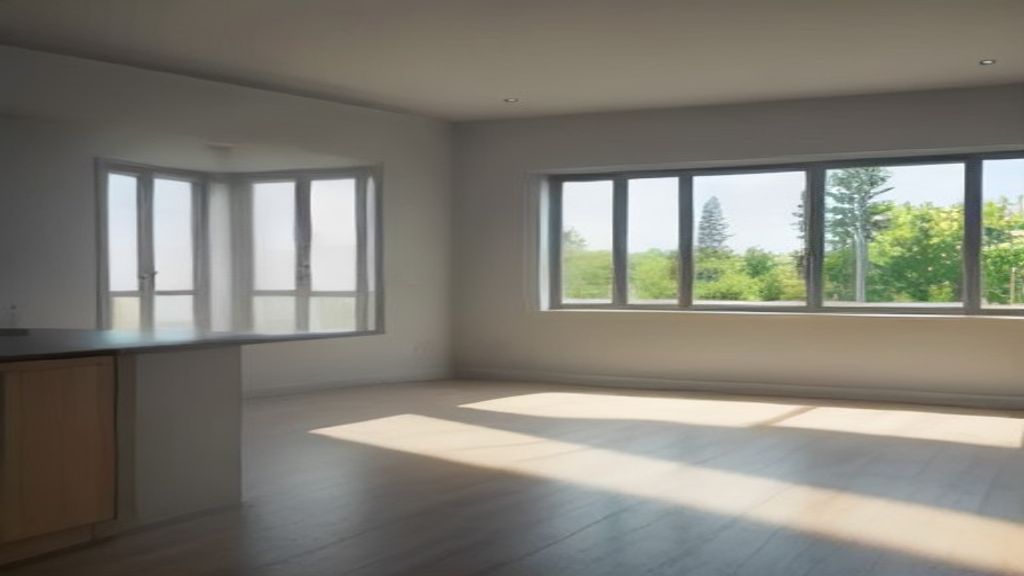
Open‑plan floor plans aren’t a design fad—they’re a practical labor reducer.
- Fewer walls, fewer obstacles – An open living‑dining‑kitchen space allows you to carry large items, like a sectional sofa, straight through the front door without navigating tight corridors or doorways. That alone can cut professional moving labor by 15‑20 %.
- Built‑in storage solutions – Modern homes often feature walk‑in closets, recessed shelves, and utility cupboards that come pre‑wired for lighting. You can place boxes directly on these surfaces instead of building temporary storage piles, which reduces the time spent loading and unloading.
- “Move‑in ready” finishes – Engineered hardwood floors, low‑maintenance quartz countertops, and pre‑installed smart thermostats mean you won’t need to sand floors, seal countertops, or calibrate climate controls after arrival. The result is a smoother, quicker unpacking process.
Take the example of a young couple who purchased a 1,800‑sq‑ft new build in Austin. Their open‑plan design let them fit three bedroom sets in a single trip, and the built‑in pantry eliminated the need for a separate storage unit. Their moving company billed them for just one day of labor, whereas a comparable older home in the same neighborhood required two days plus a follow‑up service call for a leaky pipe. The design itself saved them both time and the extra labor cost that often catches buyers off guard.
3. The Financial Upside: New Build Properties and Faster ROI
When a property arrives on the market already wired, insulated and painted, the cash‑flow equation shifts dramatically. First, vacancy periods tend to shrink because renters—or buyers—see the finished, modern spaces as “move‑in ready” and are willing to pay a premium for convenience. In many midsize cities, practitioners report that new build homes achieve occupancy within 30 days, whereas older stock can sit empty for three months or more. That faster turnover means the investor begins collecting rent sooner, trimming the time it takes to recoup the purchase price.
A second lever is the reduced need for post‑purchase refurbishment. With engineered hardwood, pre‑installed appliances and compliant wiring already in place, the typical renovation budget of 8‑12 % of the purchase price often disappears. For example, an investor who bought a 2,200‑sq‑ft unit listed among new houses for sale in Charlotte saved roughly $15,000 in renovation costs that would have been required for a comparable older home. Those saved dollars flow directly into net operating income, nudging the internal rate of return upward by a full percentage point in many cases.
Finally, new build properties often benefit from higher rental rates because they meet energy‑efficiency standards and feature contemporary amenities that command a “premium” lease. A landlord in Phoenix, after completing a new build home, was able to charge $200 more per month for a two‑bedroom unit than the neighborhood average for a similar‑sized older property. Over a 12‑month period that extra rent translates into $2,400 of additional cash, accelerating the payback period and strengthening the property’s resale appeal.
Bottom line: By cutting vacancy risk, eliminating costly renovations, and attracting higher‑priced tenants, new build homes give investors a clearer, faster pathway to a solid return on investment.
4. Leveraging Developer Incentives to Lower Your Up‑Front Outlay
Developers know that a buyer’s initial cash requirement can be a stumbling block, so they routinely bundle incentives that shave thousands off the upfront spend. The most common perk is a “free‑package” of appliances—refrigerators, dishwashers, and sometimes even a smart‑home hub—valued at $2,000‑$4,000. When negotiating, ask the sales team whether the offer is tied to a specific floor plan or can be extended to any of the new houses for sale you’re considering; flexibility often exists but isn’t advertised.
Another lever is stamp‑duty relief or reduced conveyancing fees. In several jurisdictions, developers negotiate with local councils to secure a temporary reduction in transfer tax for first‑time buyers of new build homes. This saving can be as high as 1 % of the purchase price, which, on a $350,000 property, means an immediate $3,500 cash benefit. To capture it, request a written statement of the concession and verify that the amount will be reflected in the settlement statement before signing.
A less obvious yet highly effective incentive is a “price‑lock” on future upgrades. If you anticipate adding a home office or a second bathroom later, some builders will honor today’s pricing for those additions, even if material costs rise. This protects you from inflationary spikes and reduces the surprise expense of a later renovation. When evaluating a new build, ask the developer for a schedule of allowable upgrades and the guaranteed price‑lock period—typically 12‑24 months.
Action tip: Create a simple spreadsheet listing each incentive (appliance package, tax relief, upgrade price‑lock) alongside its estimated dollar value. Subtract the total from the purchase price to see the true “out‑of‑pocket” amount you’ll need at settlement. By systematically extracting these bonuses, you can bring the effective cost of a new build home well within your budget, freeing capital for marketing, tenant improvements, or simply boosting your cash‑on‑cash return.
Also Read: Design Secrets of the Most Luxurious House in the World