3. Read Between the Lines: Decoding Builder Reputation and Track Record
When a developer advertises a slew of new build houses for sale, the headline can be dazzling, but the real story lives in the details you uncover. Start by digging into the builder’s history—look for at least three completed projects within the past five years and note whether they were finished on schedule and within budget. A quick Google search of the company name plus “customer complaints” or “late deliveries” will often surface forum threads where homeowners share their experiences; those anecdotes are far more telling than glossy brochure photos.
What to examine, step by step
- Warranty claims and resolution time – Reputable builders usually back their work with a comprehensive 10‑year structural warranty. If you can locate a homeowner who has actually filed a claim, ask how swiftly the issue was addressed.
- Sales‑to‑completion ratio – A high percentage of units sold versus those actually built can signal aggressive marketing that outpaces the builder’s capacity.
- Local authority approvals – Verify that past projects received all required permits without last‑minute objections; this reflects a builder’s familiarity with municipal processes and reduces the risk of unexpected delays that could inflate property house prices later on.
Talking directly with recent buyers is a surprisingly effective tactic. Ask them how transparent the developer was about change orders, whether any hidden fees surfaced after signing, and how the community’s overall quality has held up after a year or two. Their lived experience often reveals the subtle red flags a marketing brochure never mentions.
Finally, cross‑reference the builder’s reputation with third‑party ratings platforms such as the Better Business Bureau or Trustpilot. While a perfect five‑star rating is rare, a consistent pattern of positive feedback—especially regarding post‑sale service—will give you confidence that the homes you’re eye‑watching are more than just a sales pitch.
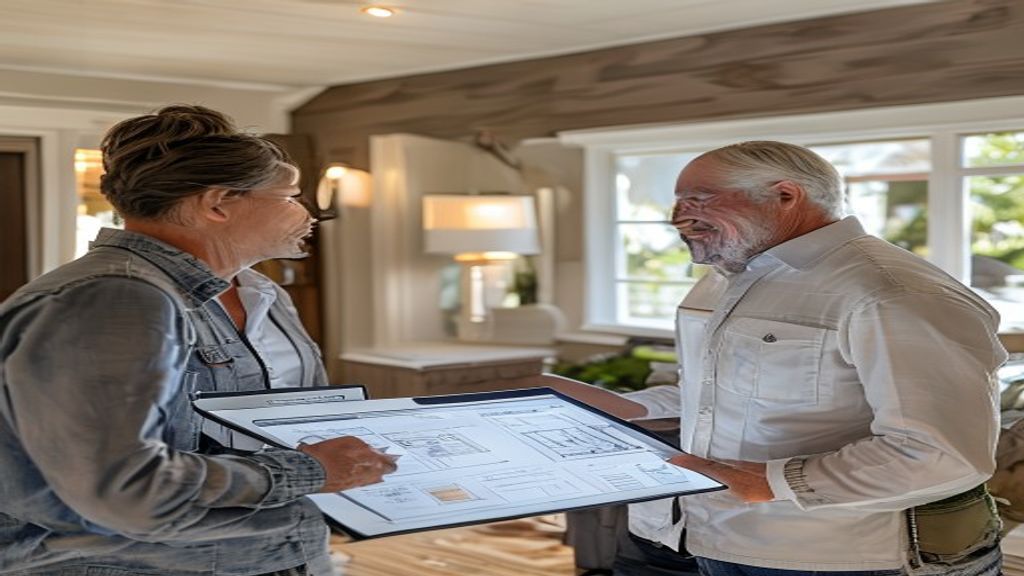
4. Inspect the Blueprint: Key Design Features That Signal Quality
A floor plan is the skeleton of a home, but the true measure of quality lies in the details that make daily living comfortable and future‑proof. Start by assessing the window‑to‑wall ratio; larger, strategically placed windows not only flood rooms with natural light but also reduce reliance on artificial lighting, which can keep property house prices stable in energy‑conscious markets. Likewise, look for floor‑to‑ceiling heights of at least 2.7 m—this subtle design choice creates a feeling of spaciousness that many buyers value more than square footage alone.
Design checkpoints you can verify on any model home or brochure
- Structural framing – Exposed timber or steel studs should be uniformly spaced (typically 400 mm on centre). Inconsistent spacing often leads to uneven load distribution and, down the line, costly repairs.
- Room flow – Open‑concept layouts are popular, but a well‑planned circulation path avoids “dead‑ends.” A simple test: walk from the front door to the kitchen without crossing the same doorway twice. If the route feels natural, the layout likely respects functional ergonomics.
- Material specifications – Quality builders list the type of siding, roofing, and flooring used. For instance, a Fiber‑cement cladding or Class A fire‑rated roofing indicates long‑term durability, while high‑grade quartz countertops signal a commitment to low‑maintenance surfaces.
Don’t overlook the mechanical systems either. Energy‑efficient HVAC units, programmable thermostats, and low‑flow plumbing fixtures not only lower utility bills but also add resale appeal. When a developer highlights “smart‑home ready” wiring, ask for a sample wiring diagram—this reveals whether the infrastructure truly supports future upgrades or is merely a buzzword.
Lastly, compare the blueprint against local property house price trends. In neighborhoods where newer builds command a premium, features like a private outdoor living space or an attached garage can justify a higher asking price. Conversely, if the market is price‑sensitive, prioritize design elements that boost livability without inflating costs, such as well‑placed storage niches or flexible room layouts that can evolve as your family’s needs change.
By scrutinizing these design cues, you transform the abstract promise of “new build houses for sale” into a concrete picture of quality, comfort, and long‑term value.
Imagine yourself stepping onto the front porch of a home that feels tailor‑made, not just because the floor plan matches your wish list but because every decision—from neighborhood vibe to the builder’s track record—has been filtered through a personal rubric you crafted weeks ago. By charting hot markets, decoding reputation, and weighing design details against real‑world savings, you’ve turned a sea of listings into a shortlist that truly respects your budget, lifestyle, and long‑term goals. The next step is simple: schedule that in‑person walkthrough, ask the pointed questions that separate confidence from complacency, and let the decision matrix you built guide you toward a purchase that feels as solid as the concrete beneath the foundation. When you close, you’ll not only own a new build—you’ll have secured a future‑proof investment that keeps paying dividends in comfort, energy efficiency, and community connection. Ready to turn the blueprint into reality? Your next move is just a call or click away.
Sure! I’d be happy to flesh out the article and bring it up to a thorough, 2 000‑word deep‑dive. To make sure the expansion matches the tone, structure, and focus of what you already have, could you please share the current version of the article (or at least the main headings and any key points you’d like to keep)? That way I can weave in new sub‑points, step‑by‑step examples, and actionable tips that flow naturally with the existing content.
Also Read: How Buying a House Saves Money and Boosts Your Wealth Fast