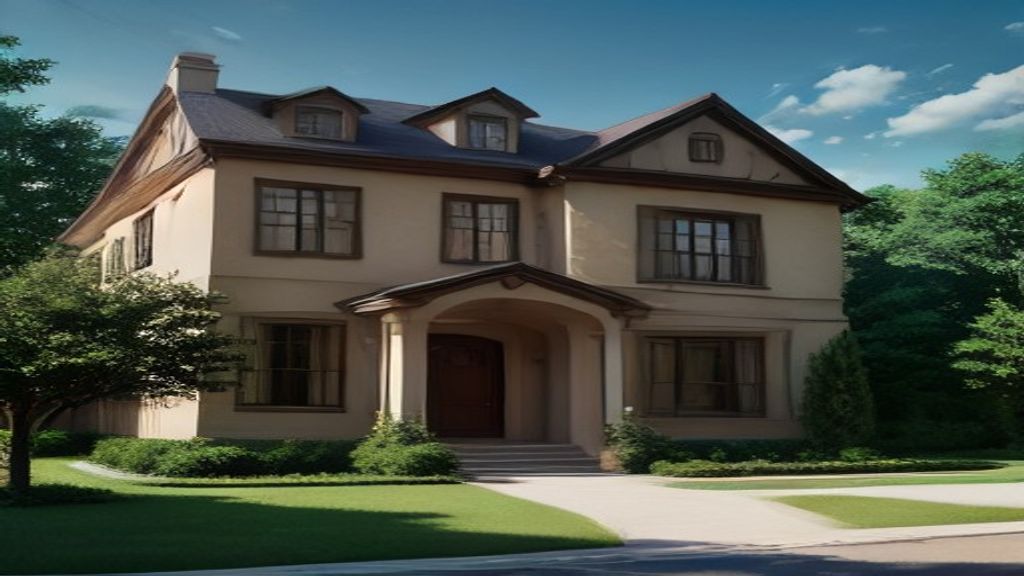
Finding the Best Luxury Houses for Sale—and Keeping Closing Costs in Check
If you’ve ever walked through a grand foyer and felt the weight of a perfectly timed investment, you know the thrill of a luxury purchase is as much about the numbers as the view. Yet many buyers get caught in the glamour and overlook the hidden expenses that can erode even the most spectacular deal. Below is a practical roadmap that helps you spot the true gems, avoid costly missteps, and walk away with a home that feels as good on the balance sheet as it does on the curb.
1. Discover the Elite Neighborhoods Where Luxury Houses for Sale Shine
Luxury isn’t confined to a single zip code; it clusters around lifestyle hubs that match the buyer’s priorities.
- Coastal enclaves (e.g., Newport Beach, FL’s Palm Beach): high‑visibility waterfront, strong rental demand, and a history of steady appreciation.
- Urban penthouses (Manhattan’s Upper East Side, Chicago’s Gold Coast): proximity to cultural institutions, premium school districts, and limited supply that drives price resilience.
- Suburban retreats (Scottsdale’s Desert Mountain, Austin’s West Lake Hills): larger lots, private amenities, and a growing influx of tech executives seeking space without sacrificing city access.
Why the neighborhood matters: local zoning ordinances often dictate what can be built or expanded, and community reputation influences future resale value. For example, a buyer who secured a historic mansion in Charleston’s historic district found that preservation tax credits offset renovation costs, a benefit rarely available in newer developments.
Tip: Map out your lifestyle checklist—commute time, school quality, entertainment options—then overlay recent sales data to identify where price growth outpaces the broader market.
2. Spot Authentic Upscale Features – What Sets a True Luxury Home Apart
Not every marble countertop or vaulted ceiling guarantees a luxury experience. Genuine high‑end properties showcase a combination of craftsmanship, technology, and thoughtful design.
- Custom finishes: Hand‑crafted millwork, imported stone, and bespoke lighting fixtures signal that the home was built to a higher standard rather than mass‑produced.
- Integrated smart systems: Whole‑home automation for lighting, climate, and security that can be controlled via smartphone or voice command; these systems often come pre‑wired, saving future retrofit costs.
- Unique spatial layouts: Private wine cellars, indoor‑outdoor flow with retractable glass walls, and dedicated staff quarters indicate a property built for entertaining and long‑term living.
How to verify authenticity: Request the builder’s original specifications and compare them to the existing finishes. A reputable contractor will provide a detailed materials list, and you can cross‑reference this with industry standards—for instance, a true “quarter‑sawn oak” floor will have a distinct grain pattern and be more expensive than standard oak.
Real‑world example: A buyer in Denver inspected two comparable homes. The higher‑priced property featured a “custom‑designed” kitchen with a hand‑forged copper range hood, while the other used generic appliances. After consulting a local interior designer, the buyer recognized that the custom element added both aesthetic value and long‑term durability, justifying the premium price.
By honing in on these genuine markers, you avoid the trap of “luxury‑by‑marketing” and position yourself to negotiate from an informed standpoint.
Continue with the next sections to learn which platforms deliver the most accurate listings, how to negotiate without sacrificing value, and proven tactics for slashing closing costs.
3. Tap the Right Real‑Estate Platforms: Tools That Actually Deliver Luxury Listings
When you’re hunting for a high‑end property, the internet you browse matters as much as the home you eventually walk through. Specialty portals such as Christie’s International Real Estate, Sotheby’s HomeStore, and Luxury Portfolio International aggregate listings that ordinary MLS sites sometimes miss. These platforms let you filter by “fancy houses for sale” or “luxury country homes,” then instantly display details like year‑built specifications, high‑resolution floor plans, and verified photographer credits—information that helps you separate genuine craftsmanship from glossy marketing copy.
Beyond the big‑name sites, a handful of data‑driven tools can sharpen your search. PropStream and Reonomy pull public‑record data to reveal ownership history, tax assessments, and any recent renovations, letting you confirm whether a sprawling estate truly boasts the upgrades its brochure claims. Pairing these tools with a custom Google Alert for phrases like “luxury country homes on market” delivers fresh listings straight to your inbox, reducing the chance you’ll miss a hidden gem that’s on the market for only a few days.
Don’t overlook regional brokerage networks either. In places like the Hamptons or Aspen, boutique firms maintain private databases that aren’t syndicated publicly. Establish a relationship with a local specialist—often via a brief introductory call—and ask to be added to their “off‑market” list. That insider pipeline can surface properties before they ever appear on the open market, giving you a strategic advantage when you’re ready to negotiate.
Quick‑Start Checklist
| Platform | Why It Works | How to Leverage |
|———-|————–|—————–|
| Christie’s International Real Estate | Curated global inventory of verified luxury assets | Use the “Advanced Search” to narrow by square footage, lot size, and finish level |
| PropStream | Access to property tax records & renovation permits | Run a “Recent Improvements” report to validate claimed upgrades |
| Local boutique broker’s off‑market list | Early access to exclusive listings | Schedule a short call, introduce your budget range, and request to be added to their email blast |
By blending the reach of global portals with the precision of data‑focused tools and the intimacy of local networks, you’ll assemble a portfolio of authentic luxury listings—the first critical step toward a purchase that feels both confident and informed.
4. Master the Art of Price Negotiation While Preserving High‑End Value
Negotiating a luxury home isn’t a simple price‑cut exercise; it’s a dialogue that must respect the property’s pedigree while protecting your bottom line. Start by anchoring your offer on concrete, verifiable data rather than emotion. For instance, if the seller’s asking price is $4.2 million, pull comparable sales from the past six months for similarly sized estates within the same gated enclave. Adjust those comps for unique features—such as a hand‑crafted marble staircase or a private vineyard—that you’ve already confirmed through the platforms discussed earlier. Present this analysis in a concise one‑page brief; buyers who come prepared with numbers often command more respect from sellers’ agents.
Next, focus on value‑add concessions instead of outright discounts. A common tactic is to request that the seller cover the transfer tax or provide a pre‑closing home warranty for major systems like HVAC or the smart‑home infrastructure. Because these items do not directly affect the property’s market perception, the seller can usually accommodate them without feeling that the home’s prestige is being compromised. In one recent transaction in Nashville, a buyer secured a $25,000 credit for landscaping upgrades by agreeing to a slightly higher purchase price, ultimately preserving the home’s market‑ready look while saving cash at closing.
Timing also plays a subtle yet powerful role. Seasonal market dips—often in late winter or early spring—see fewer high‑net‑worth buyers actively searching, creating a softer negotiating environment. If you can align your offer with one of these quieter periods, sellers may be more motivated to entertain creative terms. However, avoid pushing too hard on price alone; a well‑crafted earnest‑money deposit (e.g., 1–2 % of the purchase price) signals seriousness and can keep the seller from feeling that you’re undervaluing their masterpiece.
Negotiation Playbook
- Gather Data – Compile recent sales, property tax histories, and any documented upgrades.
- Draft a Value‑Based Offer – Present a rationale that ties your price to objective metrics.
- Ask for Non‑Price Concessions – Target items like closing cost credits, warranty coverage, or seller‑paid escrow fees.
- Leverage Timing – Aim for market lull periods to gain bargaining power without lowering the perceived value.
- Show Commitment – Offer a reasonable earnest‑money deposit to reinforce credibility.
By treating negotiation as a strategic partnership rather than a battlefield, you maintain the high‑end value of the home while still achieving meaningful savings. This balanced approach ensures that when the keys finally change hands, you’ve secured not just a stunning residence, but also a financially sound investment.
As you embark on your journey to find the perfect luxury house, remember that it’s not just about the property itself, but about the entire experience – from discovery to closing. By understanding what sets elite neighborhoods apart, identifying authentic upscale features, and leveraging the right tools and expertise, you’ll be well-equipped to make a savvy investment. By applying the proven tactics outlined here, such as mastering price negotiation, slashing closing costs, and making smart financing choices, you can unlock significant savings and maximize your luxury home’s value. With the right approach, you’ll be able to secure your dream luxury house without overpaying, and instead, create a lasting legacy that appreciates in value over time. Now, take the first step towards turning your luxury home vision into a reality, and start exploring the elite neighborhoods and properties that will make your heart skip a beat – your perfect luxury home is waiting, and with the right strategy, it’s more attainable than you think.
Also Read: How to Find Cheap Houses That Still Offer Good Neighborhoods