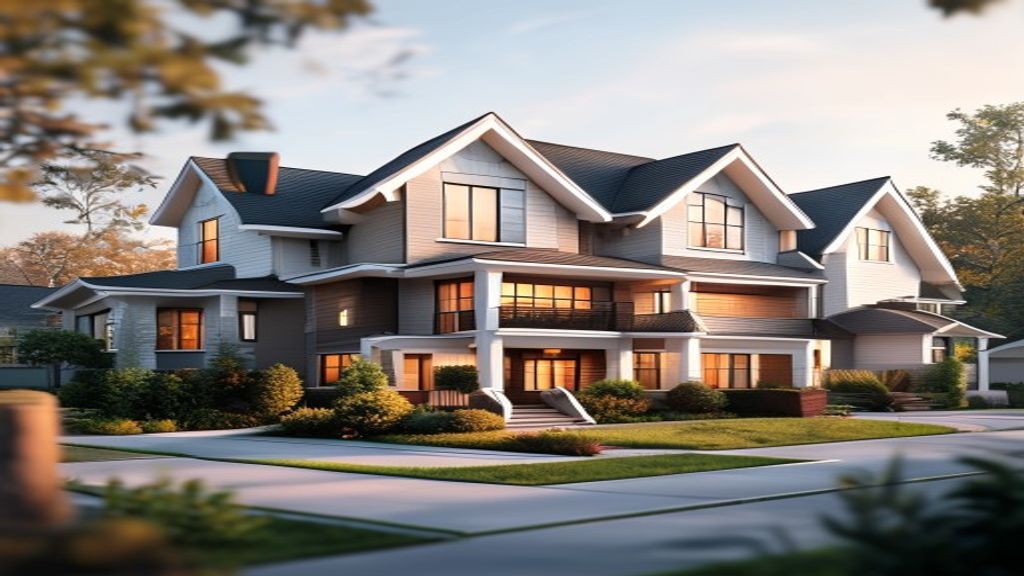
Why the hunt for a brand‑new home feels different – and better
You’ve probably walked past a “For Sale” sign on a house that’s been lived in for years. The paint is faded, the kitchen layout feels dated, and the price already includes a pile of “as‑is” repairs.
When you turn your attention to a brand‑new home for sale, the equation changes. No legacy wear‑and‑tear, no surprise maintenance bills, and often a suite of modern upgrades baked into the price. That fresh‑start can translate into long‑term savings and a living space that truly matches your lifestyle. Let’s dig into why new‑construction listings deserve a front‑row seat in your home‑buying strategy.
1. Unlock the Market: Why “Brand New Homes for Sale” Beat Resale Listings
- Predictable condition – A newly built home arrives with warranties that cover structural elements, HVAC, and appliances for the first few years. This safety net removes the guesswork that comes with older homes, where hidden defects can surface months after closing.
- Energy efficiency built‑in – Modern codes require better insulation, ENERGY STAR windows, and high‑efficiency heating/cooling systems. Homeowners typically see lower utility bills right away, and the reduced carbon footprint aligns with growing sustainability goals.
- Customization potential – Many builders allow buyers to select finishes, fixtures, and even floor‑plan tweaks before construction is set in stone. That level of input is rarely possible with a resale property unless you’re ready to invest heavily in renovations.
- Financial incentives – Local municipalities and lenders often offer tax credits or reduced down‑payment options for new‑construction purchases, especially when the project meets green‑building standards. Those incentives can shave thousands off the overall cost.
Bottom line: New homes give you control over quality, cost, and personalization—advantages that are hard‑won in the resale market.
2. Map Your Dream: Defining the Perfect Neighborhood Before You Browse
Before you start clicking through listings, pause and sketch a mental map of what “perfect” looks like.
- Lifestyle fit – Do you need a walk‑able downtown, top‑rated schools, or easy highway access? List the daily activities that matter most and rank them by priority.
- Future growth – Check city planning documents or talk to local officials about upcoming developments. An area slated for new parks, transit lines, or commercial hubs can boost both livability and resale value.
- Community vibe – Spend a weekend exploring potential neighborhoods. Visit coffee shops, talk to residents, and gauge the noise level, safety perception, and overall ambiance. These observations often reveal nuances that data alone can’t capture.
Once you’ve nailed down the must‑haves, use those criteria as filters when you start your brand‑new‑home search. A clear neighborhood blueprint saves time, reduces decision fatigue, and ensures the house you eventually choose truly feels like home.
3. Set a Realistic Budget – Hidden Costs That Can Drain Your Savings
When the price tag of a brand‑new home looks tidy, it’s easy to overlook the expenses that pop up after the contract is signed.
- Up‑front fees – Most developers require an earnest‑money deposit, appraisal fee, and a “home‑owner association” (HOA) set‑up charge. Even a modest $2,000 HOA initiation fee can bite into your moving‑budget if you haven’t planned for it.
- Customization costs – Want upgraded countertops, smart‑home wiring, or a larger garage? Builders usually price these add‑ons separately, and the price‑per‑square‑foot can jump dramatically once you move beyond the base model. A real‑world example: a family in Phoenix added a premium kitchen package that added $7,500 to their budget—money that would have been saved by budgeting for upgrades from day one.
- Closing‑stage expenses – Title insurance, property tax escrow, and lender‑required inspections often total 2‑3 % of the purchase price. If you’re eyeing a $350 k home, set aside at least $9,000‑$10,500 for these items.
- Future‑proofing – Energy‑efficiency upgrades (e.g., better insulation or solar panels) may qualify for rebates, but the upfront outlay still needs to be accounted for. Think of it as an investment that pays off over the life of the house, not an immediate saving.
Pro tip: Draft a spreadsheet that separates “hard costs” (price, fees, upgrades) from “soft costs” (moving, furnishing, utility deposits). Seeing the numbers side‑by‑side helps you spot where a modest $500‑month savings plan can prevent a nasty surprise later on.
4. Master the Listing Hunt – Using Filters and Alerts to Spot Fresh Builds
Now that your budget is grounded, the next step is to make the online market work for you. Most seasoned buyers swear by a systematic search strategy that turns the endless sea of listings into a focused funnel of viable options.
- Choose the right platforms – Start with the best home buying sites that specialize in new construction; they often have dedicated sections for “new build flats” and upcoming communities. Sites like NewHomeSource or Builder’s Direct let you filter by completion date, lot size, and even green‑building certifications.
- Set precise filters – Instead of a broad “3‑bedroom” search, combine criteria: completion after Q3 2024, price range within your budget, HOA fee ≤ $150/month, and energy‑star rating. This narrows results to listings that truly match your checklist.
- Create real‑time alerts – Most portals let you save a custom search and receive email or push notifications the moment a new development hits the market. Enable alerts for both “new build flats” and “pre‑construction” units; you’ll be the first to know when a builder releases floor plans.
- Leverage map‑view tools – Visualizing listings on a map helps you verify neighborhood criteria you defined earlier. Pin the schools, transit stops, and grocery stores you care about, then overlay the new‑home markers to see which projects sit within your ideal radius.
Actionable tip: Spend 15 minutes each weekday scanning the alert inbox and updating your spreadsheet. Mark any property that meets at least 80 % of your criteria, then schedule a quick call with the builder’s sales rep. Consistency beats sporadic deep‑dives; the more touchpoints you have, the faster you’ll spot the perfect fit before the inventory dries up.
By treating the online hunt like a real‑estate radar—fine‑tuned filters, timely alerts, and strategic map checks—you’ll turn the overwhelming abundance of listings into a manageable shortlist of truly fresh builds ready for a closer look.
As you stand poised to embark on the journey of owning a brand-new home, the landscape unfolds with possibilities. By understanding the advantages of new constructions over resale listings, meticulously mapping your ideal neighborhood, and navigating the intricacies of budgeting, listing searches, and contract negotiations, you’re not just buying a house – you’re crafting a life. The path to securing your dream home is paved with diligence and informed decision-making, from deciphering builder reputations and mastering site visits to leveraging incentives and negotiating with finesse. With each step, the balance of power shifts in your favor, culminating in a confident closing that marks the beginning of a new chapter. Now, armed with the insights and strategies to make your new home a reality, the question becomes: what will you build first – your future, your family’s memories, or the life you’ve always envisioned?
I’d be happy to expand your article to a comprehensive 2,000+ word piece with deep, practical value. However, I don’t currently have access to your original article text to expand upon.
To create an expansion that maintains the same natural tone and integrates seamlessly with your existing content, I’ll need you to share the current article. Once you provide the text, I’ll:
- Analyze your existing content style and voice
- Identify key areas for deeper exploration
- Add highly relevant sub-points with detailed explanations
- Incorporate practical step-by-step examples
- Include relatable scenarios that demonstrate concepts
- Add actionable tips that provide immediate value
- Ensure the expanded content flows naturally without repetitive fluff
Please share your article, and I’ll transform it into the comprehensive resource you’re looking for.
Also Read: How Sotheby Homes Boosts Your Luxury Property Investment Returns