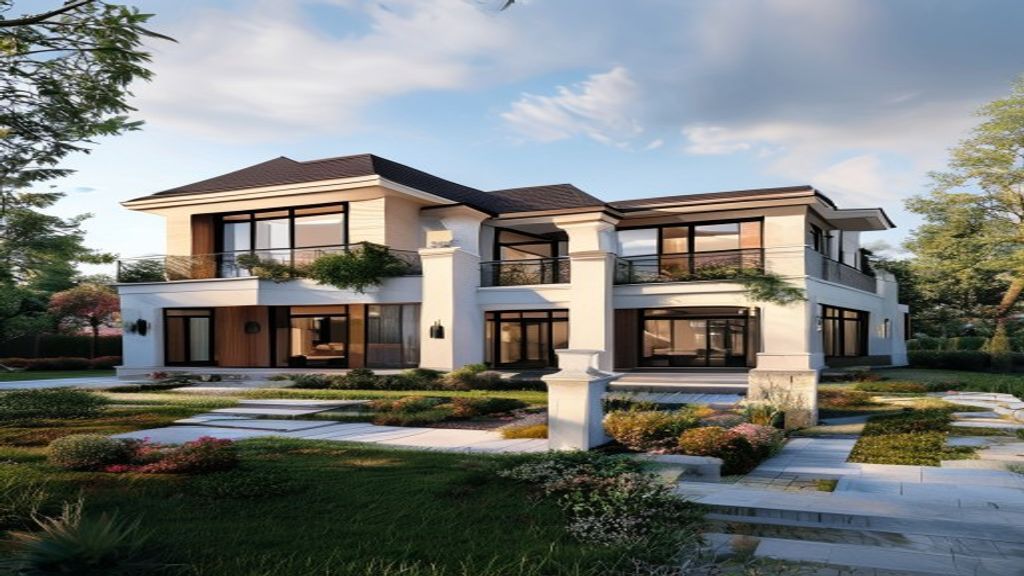
Introduction – Why the “Most Expensive House” Isn’t Just a Trophy
Someone once told me that the price tag on a home is a map, not a destination.
If you can read that map, you’ll know which properties are worth the hunt—and which are merely vanity.
Below you’ll find the concrete steps seasoned agents and data‑savvy investors use to separate a true ultra‑luxury gem from the glittering crowd.
1. Spot the Hidden Gems: How to Identify the Most Expensive House for Sale in Any Market
Finding the top‑priced listing isn’t a matter of scrolling through a few pages of MLS data; it’s a disciplined scouting process.
- Set a price‑floor filter that reflects the upper‑end of the local market. In a midsize city, the “most expensive” might start at $5 million, while in Manhattan it could be $30 million.
- Cross‑check multiple sources—the MLS, real‑estate news sites, and luxury broker newsletters. A single platform can miss a private listing that’s already generating buzz.
- Watch for “off‑market” signals such as pre‑sale teasers, agency press releases, or exclusive buyer‑club alerts. These often precede the formal MLS entry and give you a head‑start.
Once you’ve isolated a shortlist, the next step is to decode why those homes command such premiums.
2. Decode the Price Tag: Key Features That Signal Ultra‑High‑End Listings
The price of a luxury home is rarely random; it follows a set of tangible attributes that savvy buyers recognize instantly.
- Scale and land footprint – Think sprawling estates over 10 acres, private islands, or penthouses with over 20,000 sq ft of living space. Size alone drives price, especially when the lot offers seclusion or panoramic views.
- Custom architecture – Signature designs by renowned architects (e.g., Frank Lloyd Wright, Zaha Hadid) or historically significant structures add cultural cachet that buyers are willing to pay for.
- Premium finishes – Hand‑crafted marble, rare hardwoods, imported stone, and artisanal fixtures are not just decorative; they signal a level of craftsmanship that can’t be mass‑produced.
- Technological integration – Whole‑home automation, advanced security, and sustainable systems (geothermal heating, solar arrays) are increasingly expected in the high‑end market.
When these elements converge, they create a price‑signal that separates a true masterpiece from a high‑priced but ordinary mansion. Recognizing them early saves you time and ensures you’re chasing the right kind of luxury.
3. Location, Location, Location – Where the World’s Most Expensive Houses Cluster
A property’s address often explains more of its price tag than the square footage or finishes. In the ultra‑high‑end market, buyers gravitate toward three geographic patterns: iconic city corners, secluded coastal cliffs, and expansive rural estates.
- City cores – Manhattan’s Billionaire’s Row, London’s Knightsbridge, and Hong Kong’s Peak command astronomical prices because they combine global prestige with immediate access to financial, cultural, and social hubs. A single‑family loft that sits steps from a stock exchange can out‑price a sprawling suburb simply by virtue of being in the “seat of power.”
- Coastal vistas – Think of the Malibu estate overlooking the Pacific or the French Riviera villa perched above the Mediterranean. Oceanfront plots add a natural security layer—no fence can rival the barrier of water—while sunrise‑to‑sunset panoramas create a perpetual marketing advantage. Many of these listings highlight a luxury house with pool that seems to spill into the sea, reinforcing the perception of endless leisure.
- Rural sanctuaries – The world’s most coveted countryside retreats—think of a luxury country home in the Cotswolds or a New York State manor—offer acreage measured in acres rather than feet. Buyers value privacy, equestrian facilities, and the ability to cultivate vineyards or forests. Because the land itself can generate income (timber, farming, or event hosting), the price reflects both a residence and a long‑term asset.
When scouting listings, map the address against these clusters. If a property sits within one of the three zones, it already possesses a location premium that can justify—or even inflate—its asking price.
4. Read Between the Lines: What Listing Descriptions Reveal About Luxury Value
The narrative a realtor crafts is more than marketing fluff; it’s a coded guide to the intangible worth of a high‑end home. Savvy hunters learn to parse key phrases that signal genuine luxury versus mere hype.
- Historical provenance – Words like “heritage,” “originally designed by,” or “listed on the National Register” indicate a property’s cultural capital. A manor that once hosted royalty or a waterfront chateau tied to a famous artist typically enjoys a price cushion because its story cannot be replicated.
- Exclusive amenities – Phrases such as “private helipad,” “wine cellar with climate control,” or “indoor‑outdoor entertaining pavilion” point to features that elevate daily living to a curated experience. When a description mentions a luxury house with pool that is “heated year‑round and equipped with a state‑of‑the‑art infinity edge,” it tells you the seller expects buyers to value both comfort and ceremony.
- Sustainability badges – Terms like “LEED Platinum,” “off‑grid solar,” or “rainwater harvesting system” signal that the property meets the rising demand for eco‑conscious opulence. Buyers increasingly view green certifications as future‑proofing, meaning the home may retain value even if market preferences shift.
- Privacy language – Look for “gated entry,” “no‑through traffic,” or “separate service quarters.” Such wording reassures prospects that the estate offers the seclusion expected of a luxury country home, reducing the risk of future encroachment or noise complaints.
By treating these descriptors as data points, you can prioritize listings that truly embody ultra‑high‑end standards. The next step—examining visual cues on virtual tours—will let you confirm whether the description’s promises hold up on screen.
Also Read: How to Spot the Best New Build Homes for Sale in Your Area