Introduction
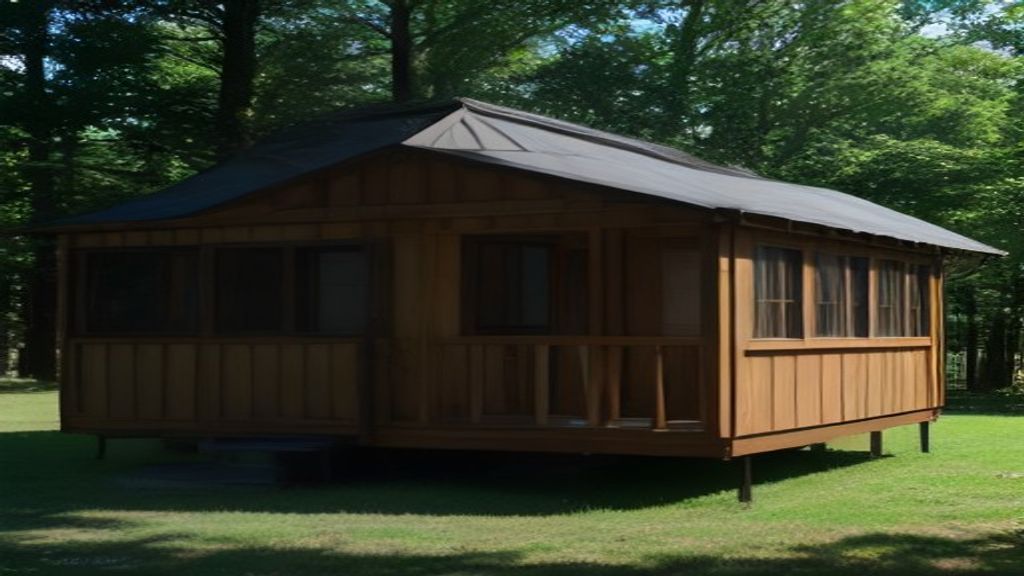
When I first stood on a vacant lot and imagined a weekend‑ready retreat just a few hundred feet away, the idea of a mobile home clicked into place. It wasn’t a compromise; it was a conscious choice—one that blends affordability with the flexibility to move when life changes direction. Below you’ll find the first two steps that turn that “what if” into a concrete plan you can act on today.
1. Start Your Search: Spotting the Perfect Mobile House for Sale
Finding a mobile house that feels right starts with more than scrolling through listings.
- Know the market segment – Mobile homes fall into three broad categories: single‑wide, double‑wide, and triple‑wide. Single‑wides are easier to transport, but double‑wides often provide the floor plan you’d expect in a traditional house.
- Check the age and warranty – Units built after 2000 typically meet stricter HUD standards. A remaining manufacturer’s warranty can save you from costly repairs early on.
- Look for reputable sellers – Dealerships with an established service department or owners who have maintained their homes for years tend to be more transparent about maintenance histories.
Why it matters: a newer, well‑warranted unit reduces hidden repair costs, while a reputable seller often offers clearer paperwork, making the financing process smoother.
Pro tip: Set up Google Alerts for “mobile home for sale + [your state]” and join local Facebook groups. Those channels surface listings before they hit major portals, giving you a time advantage.
2. Map Out Your Must‑Haves: Size, Layout, and Lifestyle Fit
Before you fall in love with a façade, define the functional criteria that align with your daily routine.
- Size matters, but so does flow – A 1,000‑sq‑ft double‑wide can feel cramped if the bedroom is tucked behind the kitchen. Sketch a simple floor plan or use free online tools (like Planner 5D) to picture traffic patterns.
- Lifestyle considerations – Do you need a dedicated home office? A pet‑friendly yard? Think about how each room will serve your long‑term needs, not just the immediate “nice‑to‑have.”
- Future‑proofing – If you anticipate adding a family member or aging in place, look for homes with adaptable spaces—fold‑out walls, extra outlets, or a bathroom that can be retrofitted for accessibility.
How it helps: By matching the layout to real‑world habits—morning coffee rituals, evening movie nights, or weekend DIY projects—you avoid costly remodels later.
Quick checklist:
- Bedrooms: Minimum of 2 for flexibility?
- Bathrooms: Full bath plus a half‑bath for guests?
- Kitchen layout: Open‑concept island or traditional “U” shape?
- Storage: Built‑in closets vs. attic space?
Having these answers in hand turns a vague “I like this model” into a concrete decision framework, speeding up the next steps of the buying journey.
3. Unlock Hidden Value: How to Evaluate Build Quality and Certifications
When you’ve narrowed the floor‑plan down to something that fits your routine, the next step is to dig beneath the décor and ask, “How well was this home built?” The answer lies in three practical checkpoints.
- Factory‑issued certifications – Most reputable manufacturers adhere to HUD’s “Permanent Manufactured Home” standards, which guarantee a minimum of 8‑hour fire resistance, structural wind ratings (often 115 mph or higher), and a certified energy efficiency score. Ask to see the HUD label; it’s a quick way to verify that the home meets baseline safety requirements.
- Third‑party inspections – Independent bodies such as the FM Global or the International Organization for Standardization (ISO) issue quality seals that go beyond HUD. A home with an FM‑approved fire‑resistive wall, for example, will typically retain its value longer because insurers view it as lower‑risk.
- Materials and workmanship – Walk the interior and tap walls, doors, and windows. Solid‑core doors that close without a noticeable “click‑clack,” cabinets with dovetail joints, and double‑pane glazing are signals of higher‑grade construction. If you spot cheap mobile homes for sale that cut corners on these details, you’ll likely face repair bills down the line.
Real‑world example: A buyer in Ohio compared two double‑wide units—one stamped with a HUD label and an FM seal, the other marketed only as “new.” After a brief inspection, the former’s sturdier framing and sealed concrete slab saved the buyer an estimated $4,500 in post‑move‑in repairs, turning a modest price difference into long‑term equity.
Quick audit list
- Locate the HUD certification tag (usually on a wall interior).
- Verify any FM, ISO, or ENERGY STAR badges.
- Inspect doors, windows, and cabinetry for solid construction.
- Request the builder’s warranty and confirm what it covers.
Having a real estate company that specializes in mobile homes can streamline this audit. Their agents often carry the needed paperwork and know which manufacturers reliably meet or exceed certification standards, so you can move from “nice‑to‑have” to “built‑to‑last” with confidence.
4. Crunch the Numbers: Real‑World Pricing Tips for Mobile Homes
Now that you know what quality looks like, it’s time to translate that knowledge into a realistic budget. While headline prices can swing dramatically, three levers consistently shape the final figure.
- Base model versus upgrades – A standard 1,200‑sq‑ft double‑wide may list around $75,000, but each optional feature—think upgraded HVAC, hardwood flooring, or a pre‑wired solar array—adds roughly 5‑10 % to the cost. Prioritize upgrades that align with your “future‑proofing” goals; a higher‑efficiency furnace, for instance, pays for itself in lower utility bills.
- Location‑based adjustments – Land‑lease communities often include utilities in the monthly lot fee, while purchasing a plot outright requires a separate budget for site work (grading, foundation, and utility hookups). In regions where land is scarce, the total package can climb 20 % above the base price.
- Timing and market dynamics – Manufacturers release “move‑in ready” inventory at the end of each quarter to clear the floor. Aligning your purchase with these windows can shave $2,000–$5,000 off the sticker price, especially if you’re open to a model that’s been on the lot for a short while.
Practical tip: Create a spreadsheet that separates hard costs (the home itself, upgrades, and transport) from soft costs (permits, insurance, and utility activation). When you plug in local estimates—say, $1,200 for transport and $800 for a building permit—you’ll instantly see where you have wiggle room to negotiate.
If you’re hunting for cheap mobile homes for sale, consider partnering with a real estate company that has a dedicated mobile‑home division. These firms often have relationships with manufacturers and can secure bulk‑order discounts or promotional financing that aren’t advertised publicly.
Pricing cheat sheet
| Item | Typical Range | How to Save |
|——|—————-|————-|
| Base home (single‑wide) | $45,000‑$65,000 | Choose a model with a HUD label but avoid unnecessary luxury trims. |
| Double‑wide standard | $70,000‑$95,000 | Look for end‑of‑quarter inventory releases. |
| Transport & setup | $1,000‑$3,500 | Negotiate a flat fee; some dealers will absorb part of the cost if you purchase on‑site. |
| Utility hook‑up | $500‑$2,000 | Compare community‑included utilities vs. self‑service to find the lower total cost. |
By dissecting each component and matching it against your “must‑haves” list, you turn a vague price tag into a concrete, negotiable figure—setting the stage for the next phase: getting the best possible deal.
With a thorough understanding of the mobile home buying process, you’re now equipped to navigate the market with confidence, identifying the perfect fit for your lifestyle and budget. By carefully evaluating build quality, negotiating the purchase price, and exploring financing options, you can unlock significant value and make your mobile home ownership dreams a reality. As you move forward, remember that the key to success lies in meticulous planning, diligent research, and a keen eye for detail – whether you’re a first-time buyer or a seasoned homeowner looking to downsize. By taking control of your mobile home search and being proactive in every step of the process, you can turn the house of your dreams into a warm, welcoming home, where memories are made and experiences are cherished – so why not start exploring your local market today and see where your journey takes you?
I’d be happy to help expand your article to a comprehensive, in-depth piece of over 2,000 words with valuable practical content. However, I don’t see the current article in your message. To properly expand it while maintaining the same natural tone and integrating seamlessly with the existing context, I would need to see the original article first.
Could you please share the article you’d like me to expand? Once I have that, I can:
- Analyze the existing structure and content
- Identify areas that would benefit from deeper exploration
- Add highly relevant sub-points, practical examples, and actionable tips
- Ensure the expanded content maintains your authentic voice while providing significant value
Looking forward to helping you create a comprehensive, genuinely useful article!
Also Read: Find Your Dream Home: 5 Insider Tips for Luxury Houses for Sale