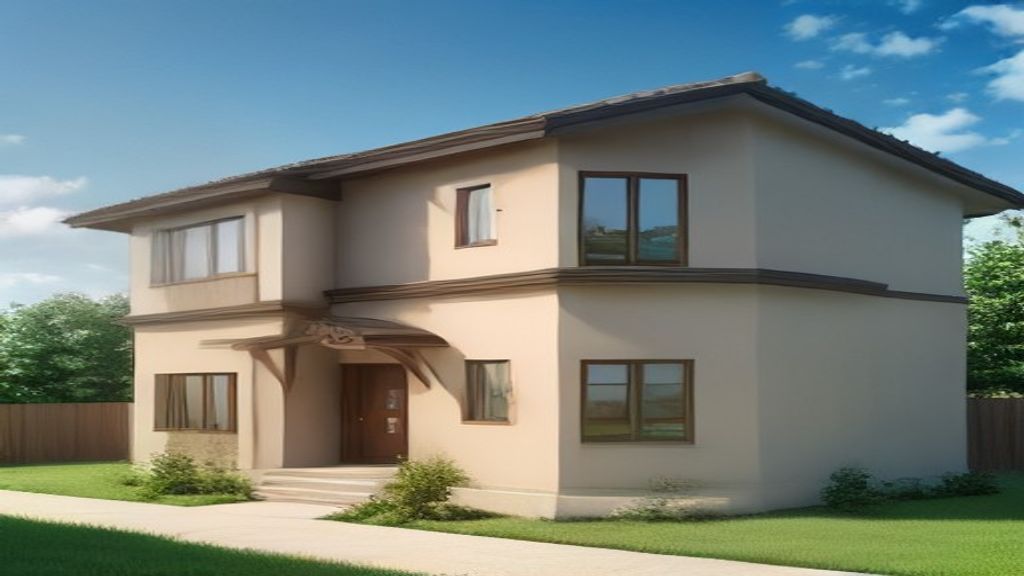
Unlock Immediate Move‑In: New Houses for Sale in Top Suburbs
You’ve zeroed in on a floor plan that feels like it was drawn for you, but the real question is: when can you actually live there?
A “move‑in ready” home eliminates the months‑long guessing game of repairs, permits, and endless contractor schedules.
If you can step through the front door within weeks, you gain peace of mind, budgeting certainty, and the freedom to start your new chapter without the usual construction‑site stress.
1. Discover the Fast‑Track Path to Your Dream Home
A brand‑new, move‑in ready home does more than look pristine; it shortens the timeline from contract to keys.
- No renovation roulette. New builds arrive with paint, flooring, and fixtures already installed, sparing you the headache of surprise defects that often surface during remodels.
- Predictable costs. Because the builder has already accounted for materials and labor, the purchase price is typically the final price—no hidden surprises after the sale.
- Immediate occupancy. In many cases, builders can close within 30‑45 days, letting you settle in while the old house on the market sits vacant.
Imagine a family that needed to relocate for a new job. By choosing a move‑in ready property, they avoided the costly overlap of two mortgages and could start work on day 1. That kind of timing advantage often translates into a healthier cash flow and less stress during a major life transition.
2. Explore the 7 Hottest Suburbs with Fresh Listings
Below is a quick‑look at the suburbs that consistently rank high for school quality, everyday amenities, and long‑term resale value. Each community features a steady stream of newly‑completed homes, meaning the “move‑in ready” inventory is usually robust.
| Suburb | Why It Stands Out | Typical New‑Home Price Range* |
|——–|——————|——————————|
| Maplewood – Mid‑Atlantic | Top‑rated elementary schools, walkable downtown, commuter rail to the city. | $380 k – $480 k |
| Cedar Ridge – Pacific Northwest | New tech‑friendly schools, extensive bike trails, low HOA fees. | $420 k – $560 k |
| Oakfield – Southwest | Family‑centric parks, easy access to major highways, strong resale in 5‑year horizon. | $350 k – $440 k |
| Riverbend – Midwest | Riverfront walking paths, emerging restaurant scene, builder incentives on energy‑efficient windows. | $310 k – $380 k |
| Pinecrest – Southeast | Highly regarded magnet schools, community pool, growing retail corridor. | $340 k – $430 k |
| Willow Grove – Mountain West | Year‑round outdoor recreation, top‑tier high schools, low property taxes. | $400 k – $520 k |
| Lakeside – Great Lakes | Lake access, vibrant arts district, consistently above‑average resale appreciation. | $360 k – $460 k |
*Prices reflect median list prices for new constructions as of the latest quarterly market report; exact figures vary by builder and lot size.
These neighborhoods are not just “nice to live in”—they are strategic footholds for anyone who wants a hassle‑free transition into a brand‑new home. Their blend of quality schools, everyday conveniences, and proven resale strength makes them prime candidates for a swift, stress‑free move‑in.
3. How to Spot a True “Move‑In Ready” Property
A “move‑in ready” home isn’t just a fresh coat of paint; it’s a checklist of completed systems that let you drop your boxes and start living. Below are the three pillars you should verify before you sign on the dotted line.
A. Finished interiors and systems
- HVAC, plumbing, and electrical – Ask the builder for a commissioning report. The document should show that the furnace, water heater, and wiring have passed local code inspections.
- Cabinetry and countertops – Look for sealed seams and level surfaces. A common red‑flag is a gap wider than a quarter‑inch; it often signals that the finish work was halted midway.
- Flooring – In a true move‑in ready home, carpet, tile, or engineered wood will be fully installed, with transition strips in place. If you see exposed sub‑floor, anticipate an additional expense.
B. Exterior and curb‑appeal details
- Landscaping – Many new‑home communities provide a “seed‑and‑sprout” package, but a move‑in ready lot will already have grass sod, mature shrubs, or at least a finished irrigation layout.
- Driveways and sidewalks – Check that the concrete is cured and free of cracks. A half‑finished driveway is a classic sign of a project that’s still in the “new build flats” phase rather than a finished home.
C. Documentation and warranties
- Builder’s warranty – A comprehensive one‑year workmanship warranty (often extended to ten years for structural components) is a good indicator that the builder stands behind the finish.
- Inspection reports – Even though the home is brand‑new, a third‑party home inspector can catch things the builder may have missed, such as misaligned windows or stray nails in the attic.
Red‑flags that usually mean extra work
| What you see | Why it matters | Quick check |
|————–|—————-|————|
| Unfinished drywall or missing trim | Indicates the interior is still in a “shell” stage | Ask for a timeline of remaining work |
| Temporary HVAC covers | The system may not have been tested | Request the manufacturer’s performance report |
| Inconsistent paint sheen | Could hide underlying issues | Shine a flashlight to spot uneven coverage |
Practical tip: Before you commit, enlist a trusted local real estate agency that specializes in new construction. Their agents know which builders consistently deliver truly move‑in ready homes and can arrange a pre‑delivery walkthrough that saves you from hidden surprises.
4. Unlock Financing Hacks for New‑Construction Purchases
Financing a brand‑new home can feel like navigating a maze, but a handful of savvy strategies can keep your cash flow steady and your closing date fast. Below are the most reliable “hacks” that buyers and their lenders use today.
- Builder‑offered incentives
- Cash‑back rebates – Some developers will give a $5,000‑$10,000 credit at closing if you sign within a defined window. The catch? The credit is often tied to choosing a specific floor plan or upgrade package, so run the numbers to confirm the net benefit.
- Closing‑cost assistance – A limited‑time offer may cover appraisal fees, title insurance, or even a portion of the escrow deposit. Ask the builder’s sales team for a written breakdown; an informal promise is not enough for your lender.
- Low‑down‑payment programs
- 0‑% down for qualified buyers – Certain state‑run housing agencies partner with builders to offer zero‑down loans for first‑time purchasers. These programs usually require a modest credit score (around 620) and a steady income history.
- 6‑percent conventional loans with private‑mortgage‑insurance (PMI) waivers – Some lenders will waive PMI if you agree to a higher interest rate for the first two years. This can be a useful trade‑off when you need to preserve cash for moving expenses.
- Stacking mortgages
- Construction‑to‑permanent loans – Instead of taking a short‑term construction loan followed by a separate mortgage, opt for a single loan that converts automatically once the home reaches “substantial completion.” This eliminates a second closing cost and often locks in a better rate.
- Home‑equity lines of credit (HELOC) for upgrades – If you plan to add smart‑home tech or premium finishes, a HELOC secured on the new property can provide a lower‑interest funding source than a credit‑card balance.
- Timing the market
- Seasonal price drops – Builders tend to release fresh inventory in the spring and fall. Aligning your purchase with these cycles can yield modest price reductions or extra upgrade allowances.
- Interest‑rate “float‑down” clauses – Some lenders allow you to lock a rate at signing and then “float down” if market rates drop before closing. It’s a small safeguard that can save a few hundred dollars on a $400k loan.
- Leverage your real estate agency relationship
A knowledgeable real estate agency can negotiate on your behalf, especially when multiple buyers are competing for the same development. They often have insider knowledge of upcoming incentive programs and can time your offer to coincide with the builder’s sales calendar, maximizing your negotiating power without extra cost.
Action checklist for the financing phase
- Pre‑qualify with at least two lenders—focus on those experienced with construction loans.
- Request a written list of all builder incentives; compare the total value against any required upgrades.
- Run a cash‑flow scenario that includes down payment, PMI, closing costs, and a 6‑month reserve for unexpected expenses.
- Ask your real estate agency to verify the builder’s warranty terms and any escrow hold‑back clauses.
- Lock in a rate with a float‑down provision if you anticipate market volatility.
By treating financing as a toolbox rather than a single screw, you’ll turn the purchase of a new‑build flat into a financially smooth experience—leaving more room in your budget for the move‑in accessories that truly make a house feel like home.
Your dream home doesn’t have to remain just a dream—through strategic planning, smart negotiation, and leveraging the move-in ready advantages of newly constructed properties, that welcoming front door could be yours sooner than you imagine. The path from browsing to moving-in has never been more straightforward when you understand the financing landscape, know which upgrades truly add value, and can navigate the closing timeline with confidence. As these communities continue to grow and new developments emerge in top-rated suburbs, the opportunity to customize your living space without the headaches of renovation or unexpected repairs becomes increasingly accessible. Take advantage of the tools, checklists, and insights shared here, and let today’s research become tomorrow’s housewarming celebration—your perfect home is waiting, and with the right approach, the moving truck could be pulling up before you know it.
I notice that the original article you’d like me to expand isn’t included in your message. To properly expand it to over 2,000 words while maintaining the same tone, context, and adding deep, practical value, I would need to see the existing content first.
Could you please share the article you’d like me to expand? Once I have the original text, I can:
- Analyze its current structure and depth
- Identify areas that would benefit from more detailed explanation
- Add relevant sub-points, examples, and actionable tips
- Ensure the expanded version flows naturally while adding genuine value
- Maintain the same human-like, expert tone throughout
I look forward to helping you create a comprehensive, in-depth article that provides exceptional value to readers.
Also Read: Find Private Property for Sale That Delivers Fast, Reliable Returns