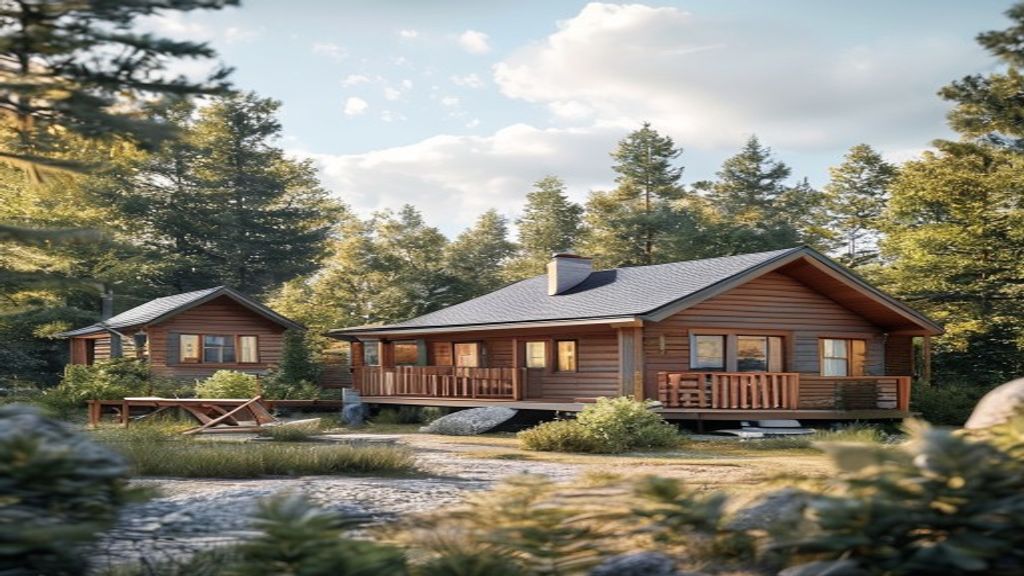
Finding the cabin that feels like a private getaway—and a smart purchase—starts long before you step onto a porch.
You’ve probably scrolled countless listings, felt the tug of a mountain view, then wondered whether that “charming” fixer‑upper will actually fit your budget, your work‑from‑home rhythm, and your long‑term plans. The difference between a fleeting romance and a lasting investment is a systematic approach that uncovers hidden opportunities, translates personal goals into concrete criteria, and weeds out the subtle red flags that most buyers miss. Let’s dive into the first two steps that set the foundation for a confident, joy‑filled cabin purchase.
Unlock the Hidden Gems: Where to Search for Cabets for Sale
The best cabins often sit off the mainstream radar, tucked into community boards or hidden within larger data sets. Tapping those sources saves you time and expands your selection pool.
- Specialized portal sites – Platforms such as LandWatch, CabinFinder, and RuralVacations focus exclusively on rural properties. They let you filter by acreage, water access, and even “off‑grid” status, which mainstream MLS sites rarely expose.
- Local MLS tricks – Most multiple‑listing services hide “keyword‑rich” entries. Try searching for terms like “log retreat,” “mountain lot,” or “secluded” while toggling the “sold” filter to see recently transferred properties that may re‑list soon.
- Niche community boards – Subreddits (e.g., r/cabinlife), Facebook groups for “Mountain‑Side Sellers,” and bulletin boards at nearby bait‑shops often feature owners who prefer a private sale over an agent‑driven transaction.
- Off‑market networks – Real‑estate agents who specialize in vacation homes maintain “pocket listings” that never appear online. Establishing a rapport with one of these agents can give you early access to properties before they hit public listings.
Why these sources matter:
When a property is listed on a niche site or community board, the seller is usually motivated by a personal connection to the land, not just market timing. That mindset often translates into more flexible pricing, willingness to negotiate repairs, or a willingness to include extra land that isn’t essential to the cabin itself but adds long‑term value.
How to stay organized:
Create a simple spreadsheet with columns for Source, Listing URL, Price, Key Features, and Contact Status. Updating it weekly prevents promising cabins from slipping through the cracks and gives you a quick reference when you start comparing options.
Match Your Lifestyle: Defining the Ideal Cabin Checklist
A cabin isn’t just a structure; it’s an extension of how you live, work, and unwind. Converting vague vacation dreams into a concrete checklist keeps your search focused and prevents costly compromises later.
| Lifestyle Goal | Concrete Criteria | Example Questions |
|—————-|——————-|——————-|
| Year‑round living | Insulated walls, reliable heating (propane, wood, or electric), road maintenance plans | Will the local county snow‑plow the main access road in February? |
| Weekend getaways | Smaller footprint (under 1,200 sq ft), easy‑in/out parking, proximity to a trailhead | Is the cabin within a 30‑minute drive from the nearest highway? |
| Remote work | Stable internet (fiber or high‑speed satellite), dedicated workspace, power backup | Does the property have a generator or solar system that can sustain a 3‑day outage? |
| Family retreats | Multiple bedrooms, child‑friendly layout, nearby medical facilities | How far is the nearest urgent‑care clinic, and does the road remain passable year‑round? |
| Eco‑conscious living | Off‑grid capabilities, rainwater catchment, low‑impact septic system | What is the condition of the existing septic tank, and are there any local restrictions on rainwater harvesting? |
Building the checklist:
- Prioritize must‑haves – List three non‑negotiable items (e.g., “must have a working septic system”) before adding nice‑to‑haves.
- Assign weight – Give each criterion a score (1‑5) based on how often you’ll use it. A remote‑work setup may rank higher for a freelance writer than for a retiree.
- Test against listings – As you browse each property, tick off the items. A cabin that meets 8 of 10 criteria with a strong score on the top three is likely a solid fit.
Real‑world scenario:
A client who wanted a “four‑season retreat” initially focused on scenic views alone. After we built a checklist emphasizing heating, road access, and internet reliability, we eliminated three gorgeous listings that lacked a dependable power source. The final choice—a modest log cabin with a new propane furnace and a county‑maintained road—proved both livable year‑round and comfortably within budget.
By anchoring your search to a lifestyle‑driven checklist, you transform ambiguous daydreams into actionable parameters, making the hunt for the perfect cabin both efficient and enjoyable.
Read Between the Lines: Decoding Property Listings for Red Flags
When a listing reads “priced to sell” or “subject to zoning,” it’s a polite way of saying the seller knows there’s a hitch. Start by flagging any omitted details—no mention of utilities, septic condition, or winter access often means the seller is avoiding topics that could scare off a buyer. For example, a cabin advertised as “off‑grid ready” without specifying the size of the solar array leaves you guessing whether the system can handle a full‑time residence or just occasional weekend power.
| Red‑flag phrase | What it usually hides | Quick follow‑up question |
|—————-|———————-|————————–|
| “Pending permits” | Possible code violations or incomplete construction | “Which permits are pending and what is the expected timeline for approval?” |
| “As‑is” | Potential structural issues, roof age, or water damage | “Can you provide recent inspection reports or photos of the foundation and roof?” |
| “Seller financing available” | May indicate limited buyer pool or hidden liens | “What is the exact interest rate and are there any existing encumbrances on the title?” |
If you spot a phrase like “building a new home on this lot,” treat it as a future‑cost alert. Even if the cabin itself is charming, the cost of constructing a new structure—or even an addition—can explode once you factor in permits, site prep, and utility hookups. Ask the seller for a breakdown of any anticipated expenses, and compare them to the price of modular cabins that could be delivered pre‑built, often saving both time and surprise costs.
In practice, a buyer I coached once asked the agent for a “complete utilities disclosure.” The seller responded that the water well was “seasonal” and the septic system “needs evaluation.” Those two short sentences uncovered a hidden expense of over $8,000 for a new septic tank—an amount that would have derailed the budget had it not been caught early.
Action steps:
- Create a red‑flag checklist (phrases, missing data, vague qualifiers).
- Ask for documentation: utility bills, inspection reports, and any recent repair invoices.
- Cross‑reference the seller’s claims with public records—county GIS maps often reveal flood‑plain status that isn’t mentioned in the ad.
By treating every ambiguous line as a prompt for deeper digging, you turn vague marketing copy into concrete information you can actually act on.
Map the Terrain: Evaluating Location, Access, and Seasonal Appeal
A cabin’s address is only half the story; the surrounding terrain determines how often you’ll actually use it. First, assess road reliability. A paved county road that’s regularly plowed in winter can transform a remote retreat into a year‑round haven, while a gravel path that turns to mud after a single rainstorm may limit you to summer visits only. Ask the local department of transportation about the road’s maintenance schedule and whether any upcoming projects could temporarily close access.
Next, examine proximity to natural amenities—water, trails, and wildlife—relative to your intended use. A lakefront cabin with a private dock is a dream for anglers, but if the water level fluctuates dramatically each season, you might spend more time maintaining a floating dock than fishing. Conversely, a cabin perched near a well‑marked trail network offers versatile recreation for hikers, bikers, and even cross‑country skiers when snow falls.
Seasonal tourism also influences privacy and resale potential. High‑traffic ski towns can boost rental income in winter but may flood the area with short‑term renters, reducing the sense of seclusion you might crave. A quieter mountain valley, meanwhile, may lack the same rental upside but offers consistent solitude and a tighter-knit neighborly feel—perfect for a retiree seeking peace.
Key location factors to chart:
- Road type & winter service – paved vs. gravel, plow frequency, weight limits.
- Water body dynamics – lake depth, seasonal fluctuations, flood risk.
- Trail access – distance to maintained paths, multi‑season usage.
- Tourism peaks – months of highest visitor traffic, impact on privacy and pricing.
A real‑world scenario illustrates the payoff: a client interested in a “four‑season cabin” fell in love with a picturesque property three miles from a popular ski resort. However, after mapping the road’s steep grade and confirming that the county only plows it once a week, we realized a heavy snowstorm could leave the cabin inaccessible for days. We redirected the search to a slightly farther location with a county‑maintained road and a modest trail system, which, while less glamorous on paper, offered reliable winter access and a lower price point—ultimately aligning perfectly with the buyer’s goal of uninterrupted year‑round living.
Quick terrain audit checklist:
- Drive the route (or use Google Street View) to note road surface and signage.
- Check local climate data for snowfall, rain, and temperature extremes.
- Contact the nearest ranger station for insight on seasonal trail conditions and wildlife activity.
- Review tourism calendars to gauge peak visitor periods and potential noise.
By grounding your decision in these tangible, on‑the‑ground realities, you avoid the disappointment of an idyllic setting that proves impractical when the first snow falls or the summer crowds arrive. The right combination of access, natural appeal, and seasonal rhythm will make your cabin not just a purchase, but a long‑lasting sanctuary.
Your perfect cabin isn’t just a structure—it’s the backdrop for future stories, the quiet sanctuary where life’s most meaningful moments will unfold. As you implement these strategies, remember that the best cabin balances practical considerations with the intangible feeling of “home” the moment you first step inside. With thoughtful research and clear intention, that magical place where your daily stress melts away becomes not just a dream, but your reality. Start planning your escape today, and soon enough, you’ll be sipping coffee on your own porch, watching the sunset paint the mountains in colors only found in your personal slice of paradise.
Also Read: Find Your Perfect Getaway: How to Spot Smart Deals on Cabins for Sale