Why “luxury” isn’t just a price tag
When you walk into a home that truly feels high‑end, the experience is unmistakable. The ceiling height, the way light kisses a hand‑cut marble slab, the quiet hum of a hidden climate‑control system—these clues aren’t accidental. They’re the result of a design language that only seasoned architects and developers speak fluently. If you learn to read that language, the difference between an authentic masterpiece and a staged façade becomes crystal clear.
1. Decode the Architectural DNA of High‑End Homes
Luxury architecture talks in signatures, not trends.
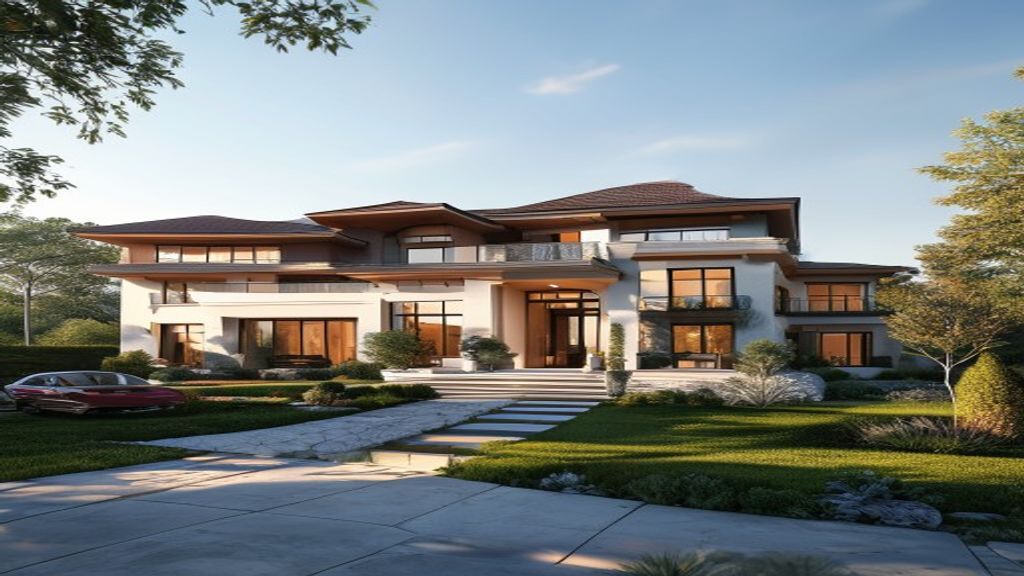
- Rooflines: Look for clean, proportional pitches—often a low‑slope gable or a subtle hipped roof. A complex, overly ornamented roof typically signals a “designer” imitation rather than an architect‑driven vision.
- Window proportions: Grand, floor‑to‑ceiling windows that align with the building’s axial symmetry suggest intentional design. The glazing ratio (window height to wall height) in true luxury homes usually exceeds 0.6, letting natural light dominate the interior.
- Floor‑plan flow: Open‑concept layouts that connect public spaces—kitchen, living, and dining—while preserving private zones (master suite, study) are a hallmark of high‑end planning. Notice how the circulation feels effortless, with no cramped corridors or dead‑end rooms.
Why it matters: A well‑thought‑out envelope controls energy efficiency, indoor comfort, and resale value. For instance, a client in Beverly Hills who opted for a symmetrical façade with double‑height windows reported a 12 % lower heating bill after installing low‑E glass—proof that design intent translates into tangible benefits.
2. Read the Material Palette: Premium Finishes That Signal True Value
Materials are the tactile proof that a property isn’t just “looking” luxurious—it is.
- Stone: Hand‑cut marble, such as Calacatta or Carrara, is typically sourced in slabs measuring 8 × 10 feet or larger, minimizing joint lines. The veining is irregular, a sign that the stone was selected for character, not cost‑saving uniformity.
- Wood: Custom‑milled hardwoods—think reclaimed white‑oak or Brazilian walnut—often feature a live‑edge finish, where the natural bark edge is preserved. This detail adds depth and is rarely replicated with cheap veneer.
- Metalwork: Brushed brass or matte black hardware, crafted in‑house or by a specialty metal fabricator, signals a commitment to longevity. In upscale kitchens, a single‑piece, hand‑forged island frame can cost upwards of $5,000, but its durability and aesthetic weight are unmatched.
How to spot the difference: Walk past the property and pause at the entryway. If the stone feels cool to the touch and the grain of the wood is visible without a synthetic gloss, you’re likely dealing with genuine premium finishes. Conversely, a “luxury” home that uses laminate or low‑grade marble will often feel warm and may emit a faint plastic odor under close inspection.
By focusing on these architectural and material cues, you equip yourself with the insider lens that separates true high‑end estates from glossy copycats—setting the stage for the deeper neighborhood and technology insights that follow.
3. Map the Neighborhood Power‑Play: Location Cues That Elevate High‑End Homes
True luxury begins the moment you step out of the front door. Upscale buyers instinctively scan the surrounding block for subtle markers that tell a story of exclusivity, and those cues are often more decisive than square‑footage alone.
Zoning & Set‑backs – Most high‑end districts are governed by low‑density zoning that mandates larger lot sizes, deeper setbacks, and minimum frontage requirements. A property that sits on a 0.75‑acre parcel in a “single‑family residential” zone, for example, will usually enjoy greater privacy and fewer neighboring structures. When you cross‑reference the lot with the municipal zoning map, you can instantly gauge whether the development aligns with genuine upscale standards.
School District Prestige – Even buyers without school‑age children often weigh the reputation of the local public‑school district as a proxy for community investment. In many metro‑areas, a top‑rated elementary or high school can lift a residential property valuation by 10 %–15 % because the area attracts affluent families who are willing to pay a premium for stability. A quick check on the district’s performance metrics (test scores, college matriculation rates) can reveal whether the “luxury” label is backed by tangible educational assets.
Private‑Amenity Markers – Look for gated entrances, resident‑only clubhouses, or shared equestrian trails. These amenities are rarely advertised in the listing copy, yet they function as a neighborhood‑level seal of approval. For instance, a discreet, wrought‑iron gate that leads to a cul‑de‑sac with a communal tennis court signals a curated enclave where the homeowner association curates the experience.
Proximity to Cultural & Natural Assets – Luxury country homes often nestle near historic landmarks, private golf courses, or preserved green belts. A property that backs onto a protected watershed or sits a half‑mile from a renowned art museum typically enjoys a “place‑making” advantage that transcends interior finishes. Map the address against local points of interest; the closer the tie‑in, the stronger the neighborhood power‑play.
Transportation & Access – High‑end estates are usually within a short, comfortable drive to major airports, executive commuter rails, or private heli‑pads. When a home lies within a five‑minute radius of a dedicated bus lane or a toll‑free expressway, the convenience factor can subtly boost its market perception.
Quick Scan Checklist
- Verify zoning classification and minimum lot requirements.
- Confirm the school district’s ranking and its effect on valuation.
- Identify any gated communities, private clubs, or shared amenities.
- Map nearby cultural, historical, or natural attractions.
- Assess transportation links that cater to affluent commuters.
By systematically mapping these neighborhood cues, you transform a vague “good location” into a concrete, defensible factor that reinforces the property’s premium status. The next layer of insight—how technology silently underpins that luxury—will deepen your ability to separate authentic estates from staged pretenders.
4. Spot the Hidden Tech Stack: Smart Systems Only Found in Luxury Estates
In a world where a smartphone can dim lights or lock doors, the truly upscale residence hides its tech behind seamless integration rather than flashy gadgets. Buyers who recognize the subtleties of a well‑designed automation ecosystem gain a decisive edge, because these systems are rarely retrofitted cost‑effectively after the fact.
Whole‑Home Automation Hubs – Luxury homes often feature a central control panel—sometimes concealed behind a custom‑carved panel or recessed into a main wall—that orchestrates lighting, climate, audio, and shading with a single touch. Unlike off‑the‑shelf hubs that rely on Wi‑Fi bridges, these dedicated controllers run on a hardened, low‑latency network (often Cat 6a or fiber) to ensure instant response and redundancy. During a walkthrough, ask the agent to demonstrate a “scene” such as “Evening Welcome”; a fluid transition from ambient lighting to background music indicates a professionally engineered stack.
Integrated Security Architecture – High‑end estates employ layered security: perimeter motion sensors, facial‑recognition door locks, and encrypted video‑stream storage. A key differentiator is the use of wired, PoE‑powered cameras that feed a centralized NVR (Network Video Recorder) rather than battery‑run, cloud‑dependent units. When you scan the exterior, notice discreet, low‑profile fixtures that blend with the architecture—these are hallmarks of a purpose‑built security system rather than a retrofit.
Energy‑Management & Sustainability Controls – Premium properties frequently incorporate smart thermostats that communicate with solar inverters, battery storage, and HVAC zones. For example, a geothermal heat‑pump linked to a home‑automation platform can pre‑condition the house based on occupancy patterns while optimizing grid draw during off‑peak hours. If the listing mentions a “home‑energy dashboard” accessible via an app, ask to see real‑time consumption graphs; they reveal whether the claim is a genuine sustainability feature or merely a marketing buzzword.
Audio‑Visual Distribution – Multi‑room audio and 4K/8K video are often routed through concealed conduit to ceiling speakers and motorized projector screens. In upscale settings, the AV system is programmed to sync with lighting cues—think a home theater that darkens the adjacent lounge automatically. Spotting a single, wall‑mounted speaker in a living room is a red flag; true luxury will have discreet, architecturally integrated outlets.
Pre‑Wired Future‑Proofing – A subtle but telling sign is the presence of structured‑media rooms stocked with empty fiber racks, pre‑terminated CAT 7 cables, and spare conduits running to every major room. This infrastructure allows future upgrades—such as AI‑driven concierge bots or augmented‑reality décor controls—without tearing down walls. During a visit, ask the homeowner or agent about “future‑ready wiring”; a confident answer signals foresight that aligns with long‑term residential property valuation.
Tech‑Spotting Quick List
- Look for a centralized automation panel (often hidden) that runs on wired networking.
- Check for discreet, wired security cameras and integrated door locks with biometric readers.
- Verify the existence of a home‑energy dashboard linked to renewable sources or battery storage.
- Observe concealed AV distribution—motorized screens, ceiling speakers, and networked media rooms.
- Confirm pre‑installed structured‑media infrastructure for scalable upgrades.
When these hidden layers click into place, the home moves from “high‑tech” to “high‑touch,” delivering convenience that feels almost invisible. Coupled with the neighborhood power‑play cues discussed earlier, you now possess a comprehensive, insider‑grade lens for hunting genuine luxury country homes and assessing their true market worth.
Also Read: Master Property House Prices: Forecast Your Neighborhood’s Value Fast