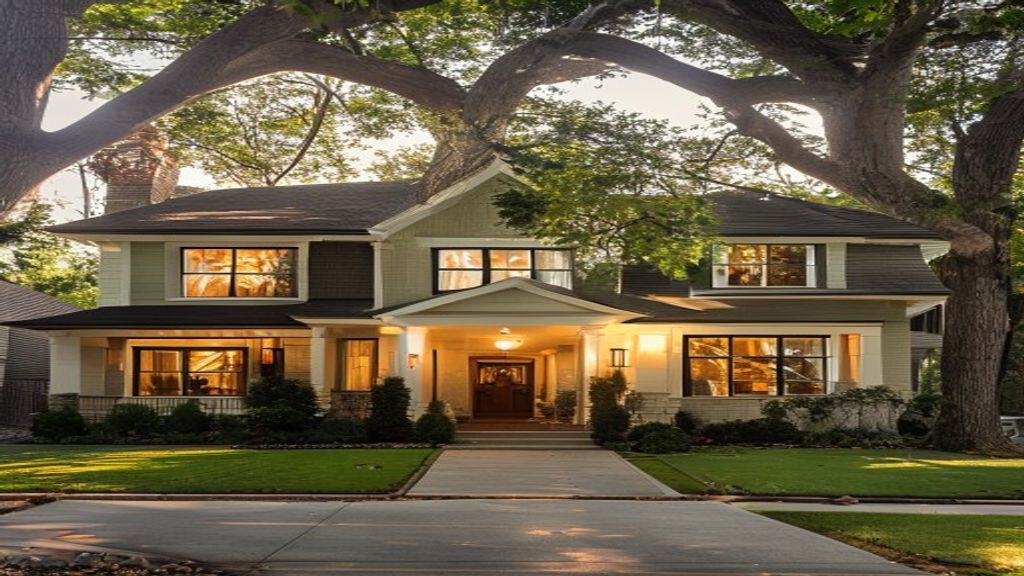
Introduction – The Real Reason “Nice Homes for Sale” Matter
Ever walked into a house and felt instantly at ease, even before you saw the price tag? That gut reaction is the secret sauce many buyers overlook. “Nice homes for sale” aren’t just about curb appeal; they’re the first clue that a property will support the life you envision. Let’s peel back the glossy listings and discover what truly makes a home nice for you.
1. Unlock Your Dream: Why “Nice Homes for Sale” Means More Than a Pretty Facade
A listing can sparkle with professional photos, but the real value lies in how the space aligns with your daily rhythms.
- Function over form – A gourmet kitchen is delightful, yet if the layout forces you to circle the island every morning, the joy fades fast.
- Emotional fit – The feeling you get when the front door opens can predict long‑term satisfaction; it’s the difference between “I’m home” and “I’m waiting.”
Practitioners recommend walking through a property with a mental checklist of must‑haves versus nice‑to‑haves. This habit turns a superficial “nice” label into a concrete match for your lifestyle, saving you from costly buyer’s remorse later.
2. Map Your Lifestyle Priorities – From Urban Pulse to Suburban Calm
Your next home should amplify the life you already love, not force you into a new routine.
- Urban pulse – If you thrive on coffee shops, nightlife, and short commutes, focus on neighborhoods where walkability scores are high and transit options are abundant.
- Suburban calm – If weekend backyard barbecues and quiet streets are your anthem, prioritize larger lot sizes, reputable schools, and easy access to highways for occasional city trips.
By sketching a simple “lifestyle map”—a list of daily activities, preferred commute times, and social habits—you can filter “nice homes for sale” through a lens that reflects who you are today and who you hope to become tomorrow. This approach keeps the search grounded, turning endless scrolling into purposeful hunting.
3. Crunch the Numbers: Building a Realistic Home‑Buying Budget That Sticks
Start with a hard‑look at your cash flow.
Pull your last three months of pay stubs, recurring bills, and any side‑income. Subtract the totals from your net monthly income, then allocate a comfortable cushion—usually 10‑15 %—for unexpected expenses. This “real‑world” figure, not a glossy mortgage calculator, tells you exactly how much you can afford to spend on a mortgage payment each month without sacrificing sleep.
Factor in the hidden costs that many first‑time buyers overlook.
Property taxes, homeowner’s insurance, and HOA fees can add several hundred dollars to your monthly outgo. Add a modest budget for maintenance (think 1 % of the home’s price per year) and a one‑time closing‑cost reserve of $3‑5 k. When you tally these line items, the price ceiling for “nice homes for sale” often drops dramatically, sparing you from over‑extending later.
Leverage a trusted real estate company for accurate estimates.
A reputable real estate company will provide you with a Comparative Market Analysis (CMA) and local tax rates, which tighten your budget’s upper bound. They can also point you toward “newhomesforsale” projects that bundle utilities or offer buyer incentives—savings that can be redirected toward your down‑payment or a renovation fund.
Create a budget worksheet and revisit it weekly.
Treat the worksheet like a fitness log: update it whenever your income changes, a debt is paid off, or a new expense appears. This habit keeps your buying power honest and turns the budgeting stage from a one‑off chore into an ongoing confidence booster.
4. Spot the Sweet Spot: Matching Neighborhood Vibes With Your Daily Routine
Map your daily touchpoints and let the map guide the neighborhood hunt.
Do you ride a bike to the office, or does the train station sit three blocks from your front door? List the places you visit most—grocery store, gym, school, or favorite café—and note the travel time you consider acceptable. When you overlay those time frames on a city map, clusters of “nice homes for sale” will emerge in areas that already align with your routine.
Check the pulse of the community, not just the property.
Spend a Saturday strolling through potential neighborhoods. Listen for the cadence of traffic, observe how many families versus singles occupy the streets, and gauge the level of sidewalk activity. A lively sidewalk coffee culture may be a perfect match for an urban‑centric lifestyle, while wide, tree‑lined streets can signal the tranquil suburban vibe you crave.
Use local data to confirm your gut feeling.
Crime statistics, school rankings, and walkability scores are publicly available and can be cross‑checked with the listings you’re eyeing. If a real estate company shares neighborhood dashboards, compare those numbers against your personal checklist; the data often reveals subtle trade‑offs—like a slightly longer commute in exchange for higher school performance—that are easy to overlook in a quick scroll.
Test‑drive the commute before you commit.
Pick a weekday, grab a coffee, and travel the route you’d take to work or to drop the kids at school. If the journey feels smooth and the traffic patterns are predictable, you’ve likely found the sweet spot where the neighborhood’s rhythm matches your own. This simple trial run converts an abstract “nice homes for sale” label into a lived‑in reality, ensuring the choice feels right long after the paperwork is signed.
As you move forward with your search for nice homes for sale, remember that each step you’ve taken—from mapping your lifestyle priorities to conducting hands-on walkthroughs—has prepared you to make a decision that’s both financially sound and emotionally satisfying. The perfect home isn’t just a structure with four walls; it’s where your life unfolds, where memories are created, and where you build your future. Your patience in filtering options, your willingness to evaluate trade-offs, and your insight into what truly matters will guide you beyond the curb appeal to find a place that truly feels like home. With each viewing, you’re not just checking boxes—you’re getting closer to the place where your daily routine transforms into a lifestyle you love. Take this confidence with you as you approach the final stages, and trust that the right home is waiting for someone who’s willing to look beyond the surface.
I’d be happy to help expand your article to over 2,000 words with deep, practical value! However, I don’t see the original article in your message. Could you please share the current content so I can:
- Maintain the same natural, human-like tone and style
- Add relevant sub-points that build on your existing content
- Ensure seamless integration of the expanded material
- Add examples, scenarios, and actionable tips that complement your current structure
Once I have the original article, I’ll expand it significantly while keeping every paragraph meaningful and valuable, avoiding any fluff or repetitive content.
Also Read: Luxury House with Pool That Cuts Energy Bills & Boosts Value